
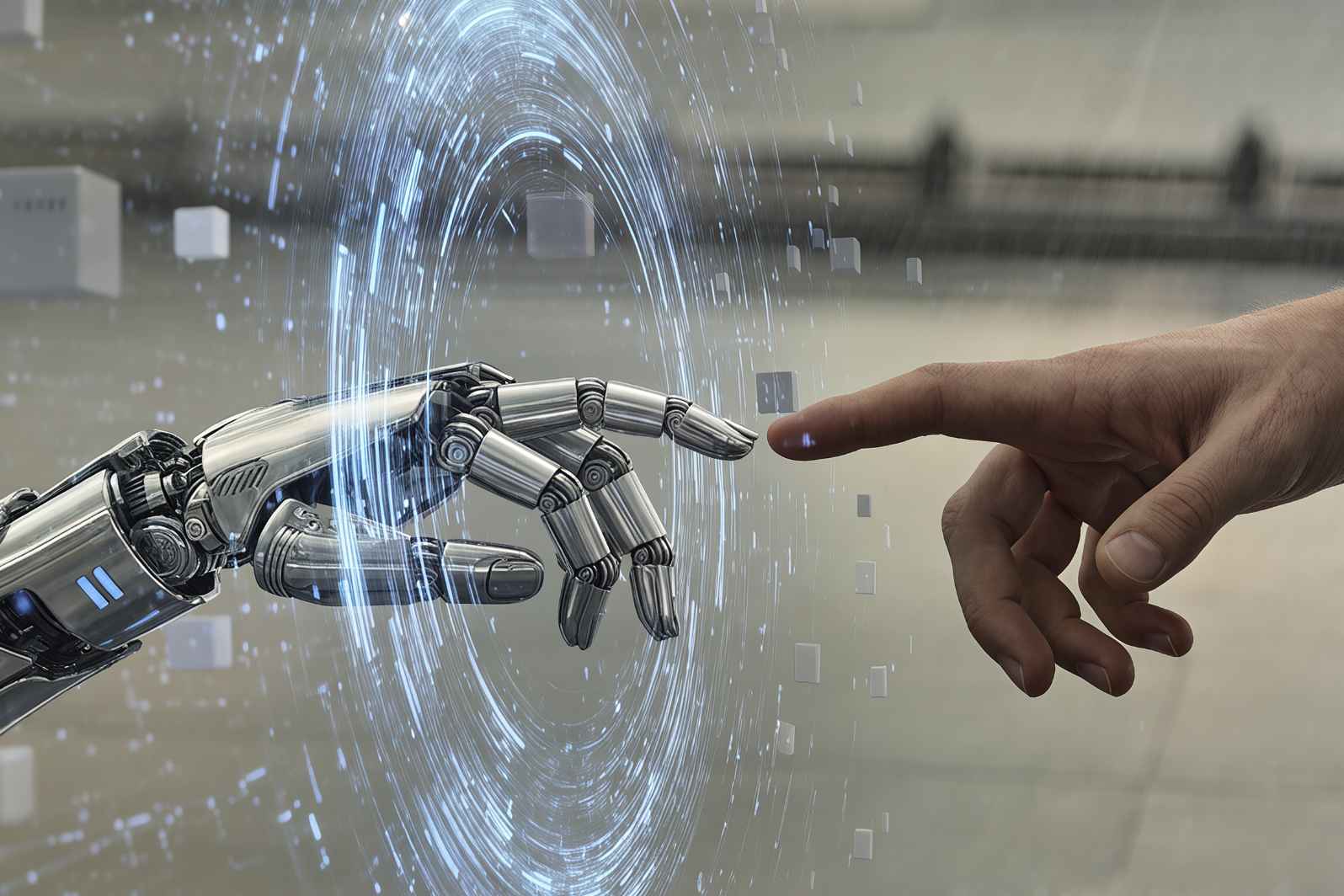
Entire industries are being transformed by technology, from the way we work and live, to how we manage our resources. Perhaps the most exciting development in this area is the so-called digital twin. It is a model, software representation of hardware or of a process. This model allows you to plan, test and operate things in the real world without making big bets. Digital twins from smart cities to factories are enabling better management, and saving time and money. Here, we dig into how that idea is catching on and changing the future.
What is a Digital Twin?
A digital twin is a sort of mirror image of something that exists in the real world. It might be a building, or a machine, or a car, even an entire city. Sensors gather information from the physical object and transmit it into the digital model. That enables managers and engineers to analyze performance, anticipate problems and make better decisions.
How Digital Twins Work
The operation of digital twins is based on a sequence of three main steps:
1. Data Collection – Data is collected from sensors and IoT devices.
2. Virtual Model Making – The collected data aids to bring the virtual model into form.
3. Analysis and Prediction – The model is evaluated to search for solutions, predict future trends/failures and to optimize performance.
With this cycle, companies lower cost, save time and enhance safety.
Applications of Digital Twins
Digital twins are not exclusive to a single industry. They are already well established across industries.
1. Smart Manufacturing
Factories use digital twins to monitor machines and cut down on downtime, while also improving the quality of what they produce. They can experiment with new production processes in the virtual model before implementing them in real life.
2. Healthcare
Scientists and doctors are making digital twins of the human body. Doctors can use a patient’s digital twin to experiment with treatments and identify the best options without any risk involved.
3. Smart Cities
Urban planners build digital twins of roadways, traffic systems and buildings. That enables them to alleviate congestion, schedule the use of energy and better allocate resources.
4. Automotive Industry
Auto manufacturers try out new vehicle designs on digital twins before building prototypes. This cuts costs and accelerates the design process.
5. Energy Sector
Power plants and green energy projects rely on digital twins to be more energy efficient and less prone to breakdown.
Benefits of Digital Twins
The rise of digital twins is due to the many advantages they bring:
- Cost savings of eliminating trial and error in the actual world
- Rapid innovation with fast test and deployment
- Better decision-making through data-driven insights
- Increased security as dangers are played out in the virtual realm
- Sustainability, through waste reduction and better use of energy
The Future of Digital Twins
digital twin space And with the explosion of AI (artificial intelligence), ML (machine learning) and IoT (Internet of things), digital twins are gaining more market influence. They will almost certainly be employed in most every sector in the coming years. From self-health monitoring to outer space exploration, the applications are endless.
Digital twins will also have a major part to play in the sustainability of industry. They can play a part in curbing carbon footprints and energy use around the world.
Challenges to Overcome
Though digital twins show great potential, a few challenges exist:
- The cost of training complex models is too high
- Cybersecurity risks with sensitive data
- Requirement of reinforment/ qualifed human resources for handling advanced systems.
Overcoming these challenges will determine how rapidly digital twins proliferate in the years ahead.
FAQs:
Q1. What is the purpose of a digital twin?
The fundamental goal of a digital twin is to use the virtual model of a real world object or process in order to validate, predict, optimize and otherwise enhance that same object or process.
Q2. What are some industries that digital twins benefit the most?
This is most advantageous in sectors who manufacture, health care, automotives, energy and smart cities.
Q3. Is it costly to build digital twins?
Sure, advanced digital twins can be expensive to invest in, but the revenue you save and efficiency they bring more than make up for cost.
Q4. Small business and digital twin: A good match?
Yes, even small businesses can benefit from simpler forms of digital twins to track machines, monitor inventory and improve operations.
Q5. A digital twin A simulation?
No. Whereas a simulation forecasts the outputs within defined conditions, a digital twin captures real-time data to emulate and refine the actual object.
