
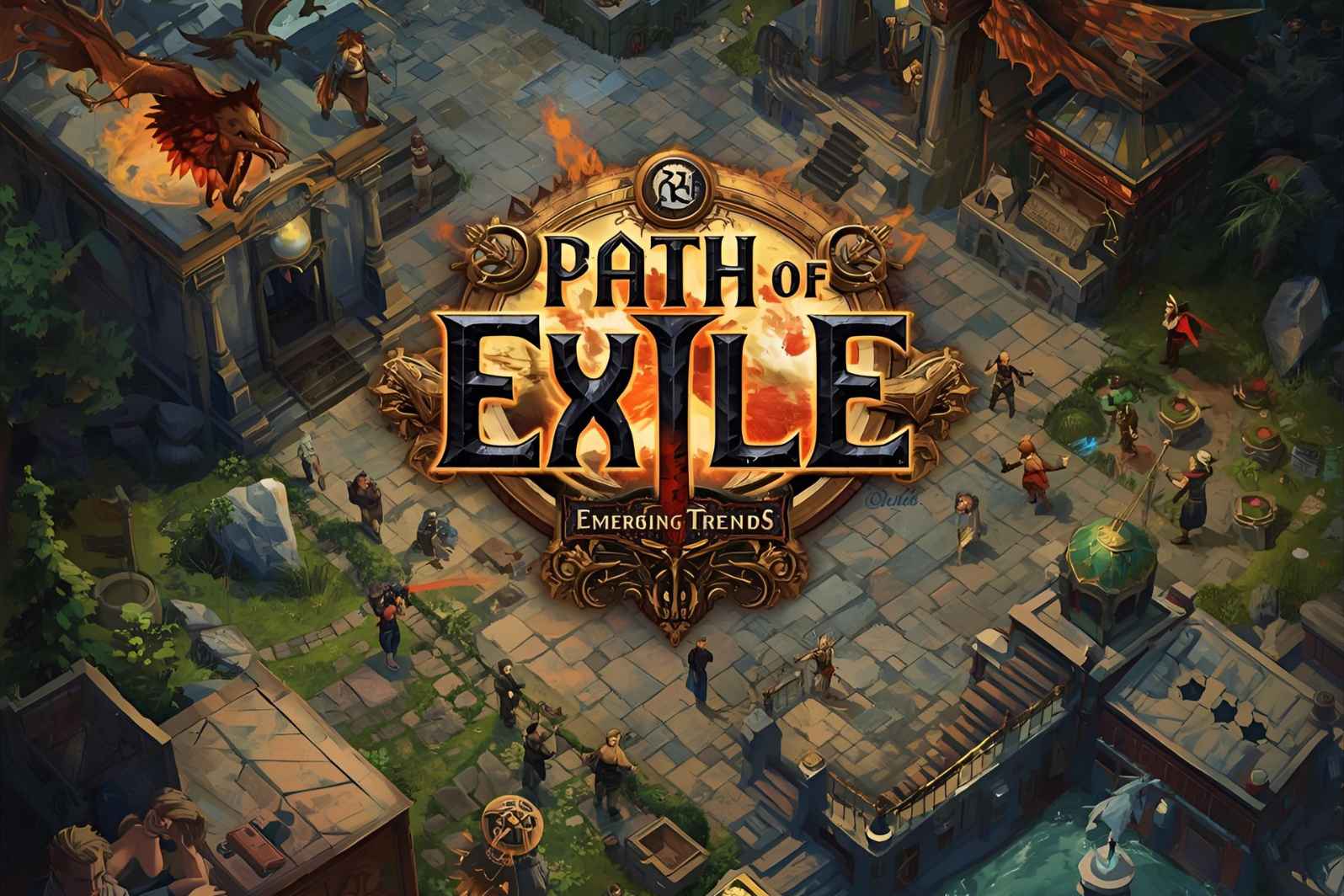
As Path of Exile 2 comes closer and closer to its release the community is running high on hype. This hotly anticipated ARPG from Grinding Gear Games is more than just another follow up. It is looking like it will change the way we think of strategy, build diversity, and player-driven decision-making in today’s games. Players who enjoy deep systems and tactical decision-making are already calling it a seminal entry into the tactics-based RPG genre.
A Shift Towards Deeper Customisation
One of the largest alterations in Path of Exile 2 is its revamped skill gem system. Like the previous one, skills are actually socketed into your character’s skill tree now. This adds flexibility and strategy to the customisation. “Players can explore new and interesting playstyles with each character using combinations of unique builds, abilities and specializations featuring up to 50 options per hero,” Kochhar said.
This is just another indication of how new strategy games are shying away from being controlling. Developers don’t want to pigeonhole players anymore, they said; instead of assigning fixed roles, they’re supporting a robust ecosystem in which anything goes.
Strategy in Combat Design
The combat in Path of Exile 2 is also smoother and more natural than the original. The enemy AI is smarter, so you can’t just wail on them until they drop. Boss battles will be tactical and with skill rotations and resources.
This change illustrates how strategic gaming is evolving beyond “numbers” and “gear.” Now it’s about positioning, timing and flexibility — layering each encounter.
The Rise of Long-Term Planning
Unlike quick and zippy arcade-style games, Path of Exile 2 rewards long-term thinking. It’s huge passive tree, depth and complexity of a crafting system, economy-centric trading just ask people to think weeks or months ahead. This lengthy investment is something many more recent gamers actually like, as it feels rewarding to finally meet endgame goals.
This is a larger trend in strategy gaming today — of longing for depth and patience edge over instant gratification.
Community-Driven Gameplay
A social experience Considering the game itself, Path of Exile has always been a community-driven product. This one will only strengthen with the sequel. Whether it is the theorycrafting of new builds, or discussing strategies for boss fights, the player community plays a large part in molding how the game grows.
Community-driven has become such a big trend in the gaming industry today. Game makers now design games which are flexible enough for allowing players to produce their own guides, content, and strategies that dictate the meta.
What It Means for Strategy Gaming’s Future
Path of Exile 2 is raising the bar, if only in its blend of action and planning, space for improvisation and creative freedom. It demonstrates that strategy gaming is now about more than just turn-based and old-school style RTS offerings. Instead, it can mix in RPG mechanics, make combat more compelling and foster a greater sense of ownership among players.
The success of Path of Exile 2 could also pave a way for more games to focus on player-driven systems, complex decisions, and long-term strategies that take centuries to unravel.
FAQs:
Q1: What’s different about Path of Exile 2 compared to the original?
Path of Exile 2 showcases a new skill gem system, updated visuals, new combat and new campaign with greater emphasis on tactics.
Q2: Is Path of Exile 2 a free to play game?
Yes, the game will be free to play with additional cosmetic and other purchases.
Q3: Can I use my existing Path of Exile account with Path of Exile 2?
Yes, you can keep your old account, cosmetics and progress. Both games will utilise the endgame content.
Q4: Why is Path of Exile 2 important to strategy fans?
For it mashes up action-RPG tropes with deep planning, customisation and long-term thinking in a way that creates a new strand within the strategy genre.
Q5: Will new players be welcome in Path of Exile 2?
Absolutely. Although the game is deep, the new design is more approachable for beginners without sacrificing complexity.
