
Thanks to home renovations, when it comes to natural resources at your place, things may not be as sweet. Today’s home owners are trying to cut down waste and use green materials. Selecting the right products not only gets your home looking good, they save energy and money. Here are some eco-friendly materials that can offer your renovation a contemporary and sustainable touch.
Why Choose Eco-Friendly Materials?
Eco-Friendly materials, safe for nature and your family. Many are from natural, recycled or(fyre) renewable materials. They’re durable, they save energy, and they also help to minimize harmful emissions. Renovating with them is a little Nudge that makes a big positive impact on the planet.
Bamboo
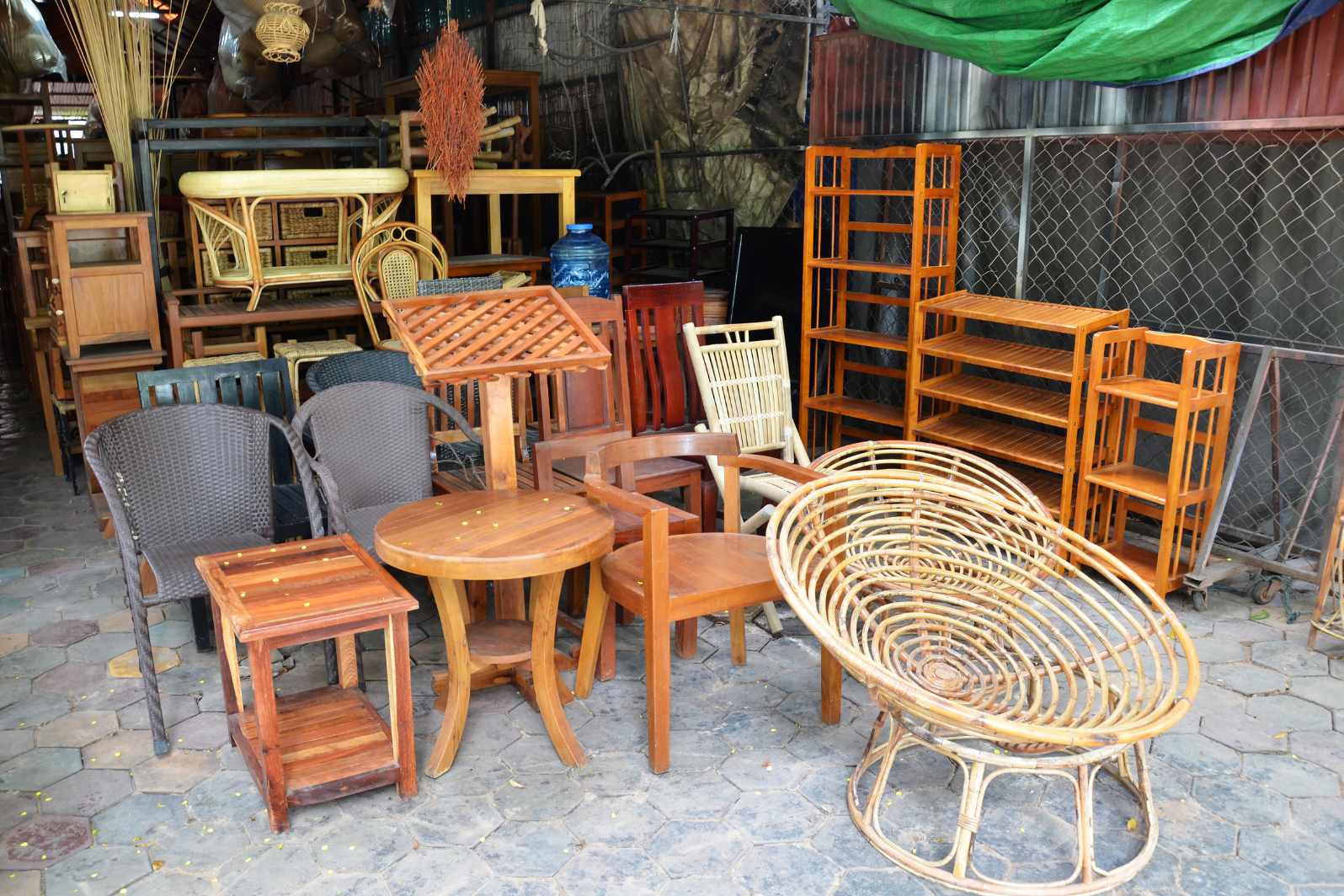
As it is, bamboo can grow quickly and is one of the most environmentally friendly options. It\’s sturdy, durable, and looks classy. People also use it for flooring, furniture and wall panels. Bamboo grows fast and doesn’t damage the environment through deforestation, unlike hardwoods.
Recycled Wood
Reclaimed Barnwood Or Reclaimed Lumber Reclaimed or recycled wood adds special character to your home. Reclaimed doors, beams, or pieces of furniture can be recycled instead of trashed. It spares trees, minimizes waste and it gives an interior a rustic, natural look.
Cork
Cork is harvested from the bark of cork oak trees and grows back period after a harvest. It is soft, cozy and naturally resistant to pest. Reasons for cork use Cork flooring is a popular choice because it helps to muffle sound and feels warm underfoot.
Recycled Metal
Metal like steel, aluminum and copper can be recycled repeatedly without any loss of quality or strength. Recycled metal for roofs, railings or fixtures reduces mining debris. It’s durable sleek and is commonly used in contemporary designs.
Low-VOC Paints
Conventional paints emit harmful chemicals known as VOCs (Volatile Organic Compounds). These can impact the quality of air you breathe at home. Non-VOC (very low or zero) paints are perfectly safe, dry odorless and come in many different shades. They beautify your walls and keep them healthy.
Recycled Glass
“The thing is recycled glass makes it into countertops, tiles and even decorative items. It’s available in a variety of bright colours and patterns to complement your home aesthetics. Not only will you help divert waste from landfills, but you can also repurpose an old material.
Natural Stone
Granite (if local), marble, and sandstone are durable and environmentally friendly if responsibly quarried. These stones add a luxurious look to kitchens, baths and floors. Because they last for decades, they mitigate the need for replacements.
Solar Panels
It’s not really material in the old-fashioned sense, but solar panels are a wise home renovation material. They save on electricity bills and reduce reliance on non-renewable energy sources. Solar power is clean, sustainable and future-ready.
Insulated Windows and Doors
Energy efficient windows and doors decrease heat loss in winter and cool homes in summer. That reduces the electricity used for heating or cooling. With its double glass panels or recycled frames, it adds a second recycling dimension to modern homes.
Eco-Friendly Insulation
Traditional insulation can sometimes contain chemicals that are bad for the environment. Healthier natural alternatives like sheep’s wool, cellulose (made from recycled paper) and cotton should be considered. They help to heat your home and conserve energy.
Benefits of Eco-Friendly Renovations
- Lower energy bills
- Healthier indoor air
- Less waste and pollution
- Long-lasting materials
- Increase in property value
Decisions that are eco-friendly do more than help the planet. It will also make your home healthier, cost-effective and stylish.
FAQs:
Q1: Does environmentally friendly material cost more?
Some may be more expensive up front, but your budget will thank you in the long run for their durability and energy-saving benefits.
Q2: Can I do small renovations with green materials?
Yes, even relatively small changes — using low-VOC paint; salvaged, recycled wood; or appliances with the Energy Star label; and replacing incandescent bulbs with LEDs or compact fluorescents (CFLs) in hard-to-reach fixtures, for example — add up.
Q3: What are the best flooring eco-friendly materials?
For thr flooring you us types yo name would be Bamboo, cork and recycled wood are all environmentally friendly choices for flooring.
Q4: Are solar panels worth it for residential customers?
Yes, solar panels lower electricity bills and provide long-term savings. So, they are also a one time expenditure with long-term benefits.
Q5: In what ways are eco-friendly renovations good for us?
They filter out toxins, improve air quality and make for a safer home.
