
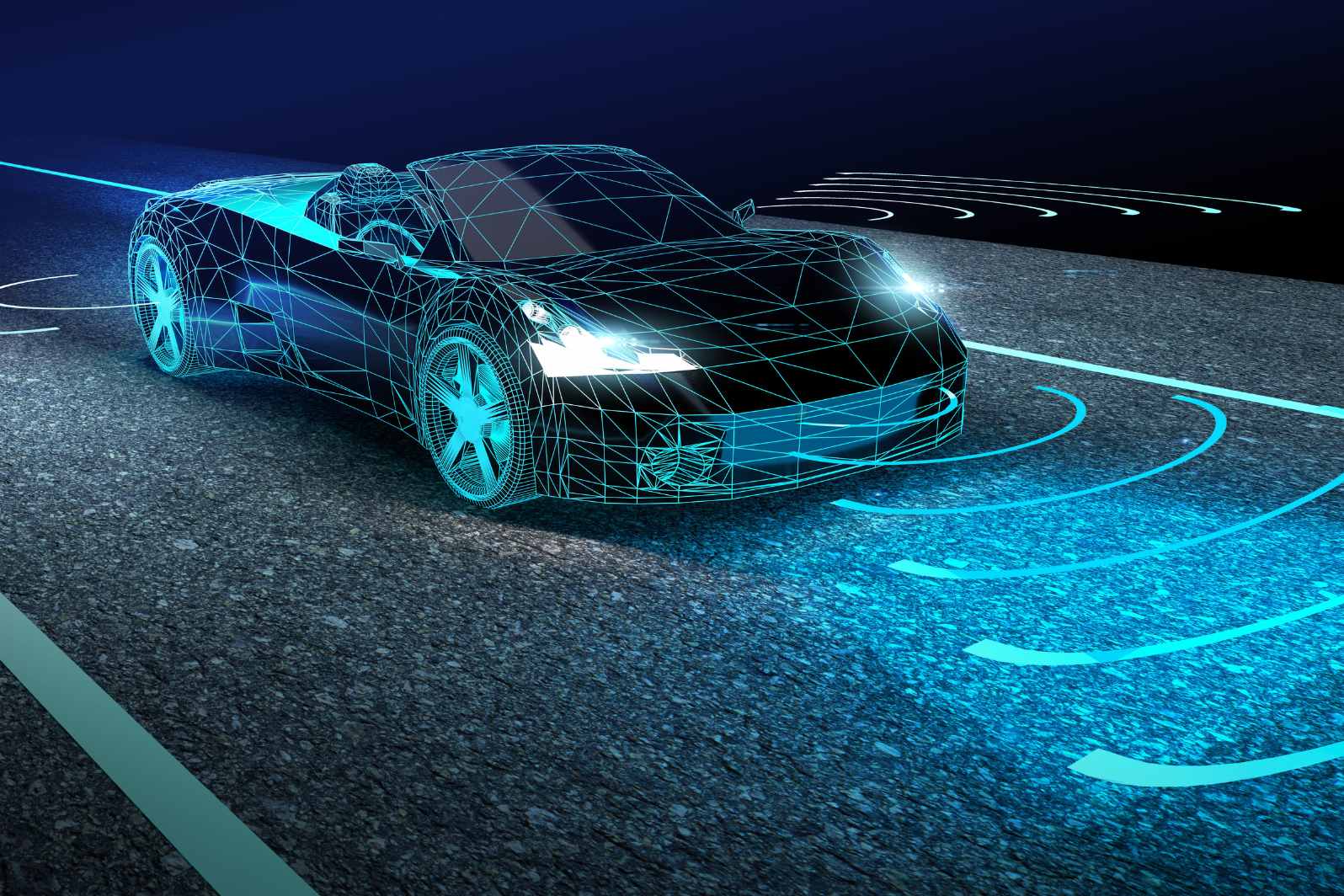
Now, cars are not just getting us from Point A to Point B. Due to rapid advancement in technology, cars now are smarter, safer and also digitally connected. One of the major factors driving this shift is the growing popularity of Advanced Driver Assistance Systems (ADAS). These functions lower accident risk and increase convenience, while ensuring stress-free driving. In this post, we review the latest in ADAS advancements built inside 2025 model year vehicles.
What is ADAS?
ADAS is short for Advanced Driver Assistance System. These are intelligent functions in a car that assist the driver by relying on sensors, cameras and software. They are not meant to replace the driver entirely, but as additional safety and support.
Some common ADAS features include:
- Adaptive Cruise Control
- Lane Keep Assist
- Blind Spot Detection
- Automatic Emergency Braking
- Traffic Sign Recognition
Adaptive Cruise Control (ACC)
Older cruise control only maintained the car at a consistent speed. The newest Adaptive Cruise Control goes beyond that. It will automatically adjust your car’s speed according to the vehicle in front. A few luxury models already come with hands-free driving on highways, where the system takes over acceleration, braking and steering in marked lanes.
Lane Keeping and Centering
Warning is now evolved to LKA and Lane Centering. In 2025 models, this feature operates more fluidly, keeping the car perfectly centred in its lane. Even in turns, the car gently steers itself to prevent slipping.
Blind Spot Detection with Cross Traffic Alert
Blind-spot monitoring is not just a light on the mirror anymore. In new systems they now provide active steering correction if the driver attempts to change lanes with a vehicle in the blind spot. Rear cross-traffic alert also lets the driver know when it’s clear to back out of parking stalls in tight spaces.
Automatic Emergency Braking (AEB)
Previously AEB only operated in cars. And now, pedestrian and cyclist detection is an increasingly common feature in newer cars. Some higher-end models also identify animals on the road. The system is faster than a human and can help prevent major accidents.
Traffic Sign Recognition with Speed Help
Today’s new models can read speed limit signs, stop signs and even those infuriating construction warnings. In some systems, the car’s speed may even automatically change to match the speed limit. Such knowledge can be especially important in city traffic where regulations change frequently.
Parking Assistance and 360° Cameras
Places Filling Up Parking was always adding to the stress in congested Indian cities. ThenewestADASpackagescome with auto-parking capabilities to park the car parallel orperpendicular. 360-degree camera views with 3D graphics provide drivers with a full view from any angle.
Driver Monitoring Systems
Cars are now equipped with driver monitoring cameras, to minimize groggy accidents. These cameras monitor the movement of your eyes and head. Too long looking away or drowsiness gets a response. Some trim models even slow the vehicle gracefully.
How Indian Car Models Compare
Luxury brands like Mercedes-Benz, BMW, and Audi offer the most advanced semi-autonomous driving features.
Mid-range cars from Hyundai, Kia and MG have also embraced lots of ADAS features such as lane keep assist, adaptive cruise and emergency braking.
Affordable options are also improving. Even basic cars offered by Tata and Mahindra now come with simple ADAS packages such as forward collision warning and lane departure alerts.
The Road Ahead
ADAS is making us safer, of course, but it’s also something drivers should keep in mind that the technology is helping us out, not doing our jobs. Roads are still most heavily trafficked by human attention. Better norms, cheaper tech to make ADAS features standard in Indian cars soon
FAQs:
Q1. What does ADAS mean in cars?
ADAS is an acronym for Advanced Driver Assistance Systems. Those are smart features like lane assist, adaptive cruise, and emergency braking that help make driving safer.
Q2. Do budget cars come with ADAS features?
Yes several Indian brands like Tata, Mahindra and Hyundai offer basic ADAS features even in their mid-range and budget cars now.
Q3. Can ADAS drive the vehicle and leave out the driver?
No, ADAS is not meant to replace the driver. The driver is always required to monitor the vehicle and retake control if needed.
Q4. Which is the most effective ADAS in India?
Especially when driving in heavy traffic, automatic emergency braking and blind spot detection can be absolutely essential.
Q5. Do ADAS features really jack up car price?
Previously, they were the province of luxury cars, but prices are falling. A lot of mid-range vehicles have ADAS without a very steep price jump.
