
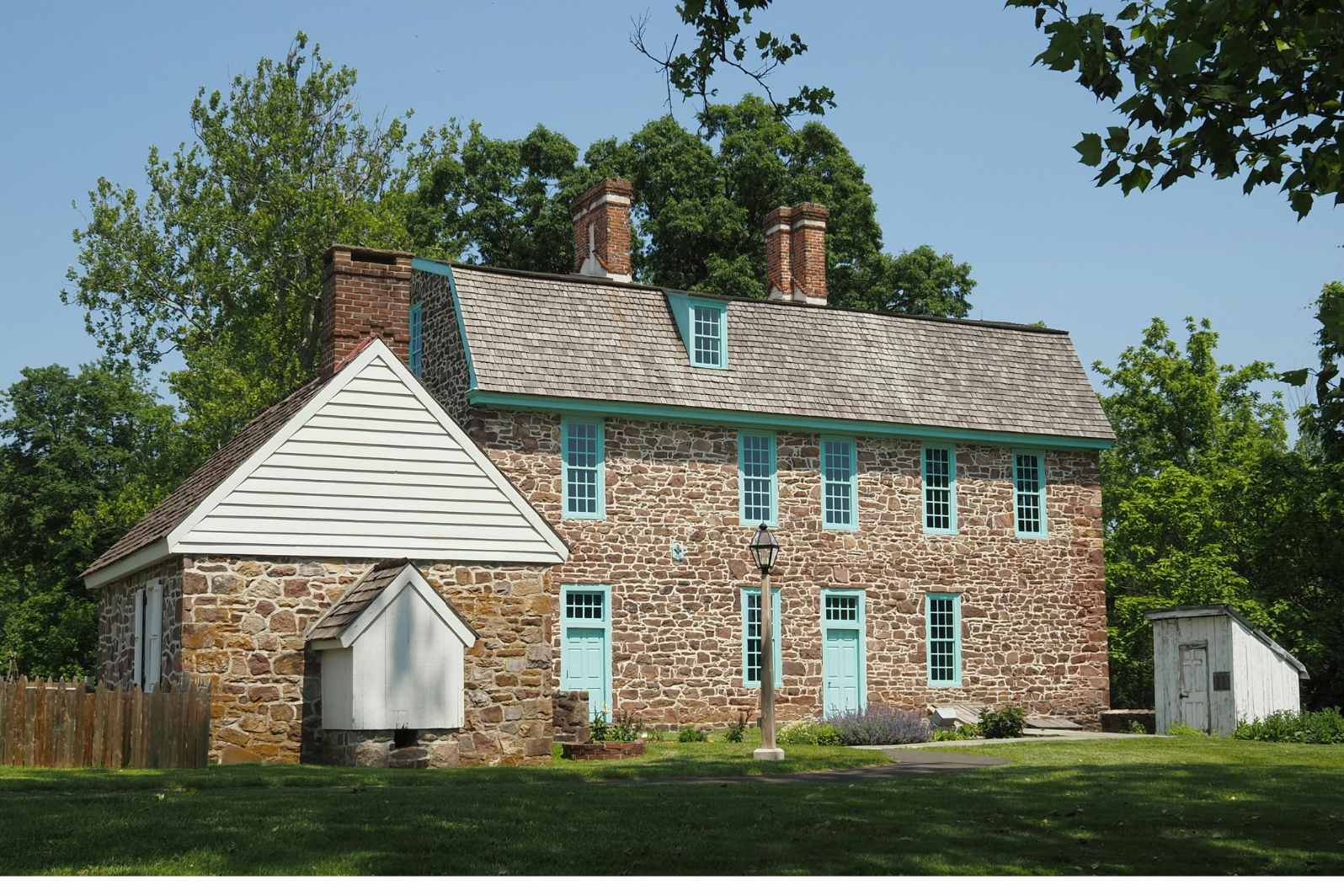
To own a historic home is to hold on to a piece of the past. Homes here have character, interesting backgrounds and cultural significance. Restoring such properties, though, not the same as renovating a modern house. It is a balance between preservation and comfort. And yet, you also have to observe the rules of law. Restoring a house with history can add immense value, but it also requires some special permits.
Why Historic Homes Matter
There is something more to a historic home than its brick and mortar. They are part of history. Doors, windows, roofs and woodwork styles all tell us history. These homes are not to mention a garnishing of the attractiveness of a community. Buyers and investors like historic because they can bring character, pride and distinction.
Cities and towns shield these homes under heritage laws. That is why rehabilitating them is more than a matter of personal choice. Culture is to be transmitted to the next generation, it is Childs play.
The Importance of Retro-Fitting Historic Houses
When you renovate a historic home, you don’t just fix the old walls. You add long-term value. Here are some benefits:
1. Higher Property Value
Restored historic homes frequently sell for premiums. They are willing to pay a premium for them, given their unique design and solid construction.
2. Pride of Ownership
Coming home to a historic residence is a status symbol. There are many and people these houses look beauty. It makes the owner feel a part of history.
3. Community Appreciation
Restored homes lend even more charm to the neighborhood. A wisely maintained heritage home can also raise property values in the district.
4. Possible Tax Benefits
In certain areas, governments provide tax breaks or grants for preserving historic buildings. This cuts the cost of repair.
5. Longevity
Old houses were made with sturdy materials. If they are fixed they can last for many more years if taken care of.
Common Challenges in Restoration
But the benefits are vast; there is no easy restoration. Some common challenges include:
- Costly: The project’s special materials and skilled workers make it expensive.
- Time: It takes longer to restore as the work is more intricate.
- Securing Skilled Labor: Not all contractors are familiar with heritage homes.
- Tight Rules: Local bodies can impose restrictions on design changes, which makes work more difficult.
Understanding Permits for Historic Homes
Permits are a large part of renovating historic buildings. No work may be commenced without approval. It is usually administered by local heritage or municipality.
Why Permits Are Needed
Permits guarantee that modifications will not ruin the original appearance of the house. They also ensure that safety standards are met. Owners may be fined or run into legal issues if they do so without permits.
Types of Permits Required
1. Heritage Conservation Permit – Required for any modifications of the protected points of the house such as frontage, roof or pillars.
2. Permit of Construction – Needed for alterations involving walls and the addition of rooms.
3. Electrical and Plumbing Courtesy Permits – Required for updating old systems to current code.
4. Wrecking Permit – If any part of the structure must be demolished, you need special approval.
Steps to Get Permits
1. Know the Local Rules – Each city has its heritage regulations.
2. Engage Professionals – Architects or heritage consultants can assist you in preparing the application.
3. Plan Submission – Copies of the project plans and drawings should be submitted to plan approval authority.
4. Don’t Expect An Approval – Officials don’t answer in days.
5. Permission Prior to Commencement – Can bring fines for unauthorized start.
Weighing Historic Value Against Modern Use
Mixing contemporary comfort with historic style is one of the greatest obstacles. Homeowners might desire air conditioning, modular kitchens and smart systems. But legal protections of the heritage may block changes. The answer is through creative design. For instance, concealed wiring, energy-saving windows, and modern plumbing systems can be installed without violating the traditional look.
How to Restore a Historic Home and Keep Its Character
- Budget Your Plan: Have extra set aside for the unexpected.
- Opinion-makers Work with Specialists: Select skilled people to take care of upgrading a heritage house.
- Use the real materials: When you can, approximate the original style with similar materials).
- Record All Changes: Record the modifications that were made for future reference.
- Maintain Original Features Keep windows, doors and woodwork whenever restoration is not burdensome.
Conclusion
Restoring a historic home is a process that involves equal parts passion, patience, and planning. The added value — both financial and cultural — is well worth the hassle. But you have to play it by the rules and get all your permits in order before you begin. In the process, not only do owners protect their investment, but they also safeguard history for future generations.
FAQs:
Q1. Are permits always required for historic home restorations?
Yes, in most cases. However, if the home is a heritage property, you will need to obtain permits for structural or visible changes.
Q2. Do restorations cost more than standard renovations?
Yes. With skilled labor, original-style materials and legal approvals, it’s more expensive than regular home renovation.
Q3. May I add modern features to an old house?
Yes, but with care. We’re not to disturb the original design with these modern upgrades. We need hidden or reversible changes.
Q4. What if I try to restore with no permits?
You could be fined and face stop-work orders or legal action. Always take approval first.
Q5. Do renovated historic homes sell quicker?
Yes. And they are worth more to buyers because of their rarity and cultural significance.
