
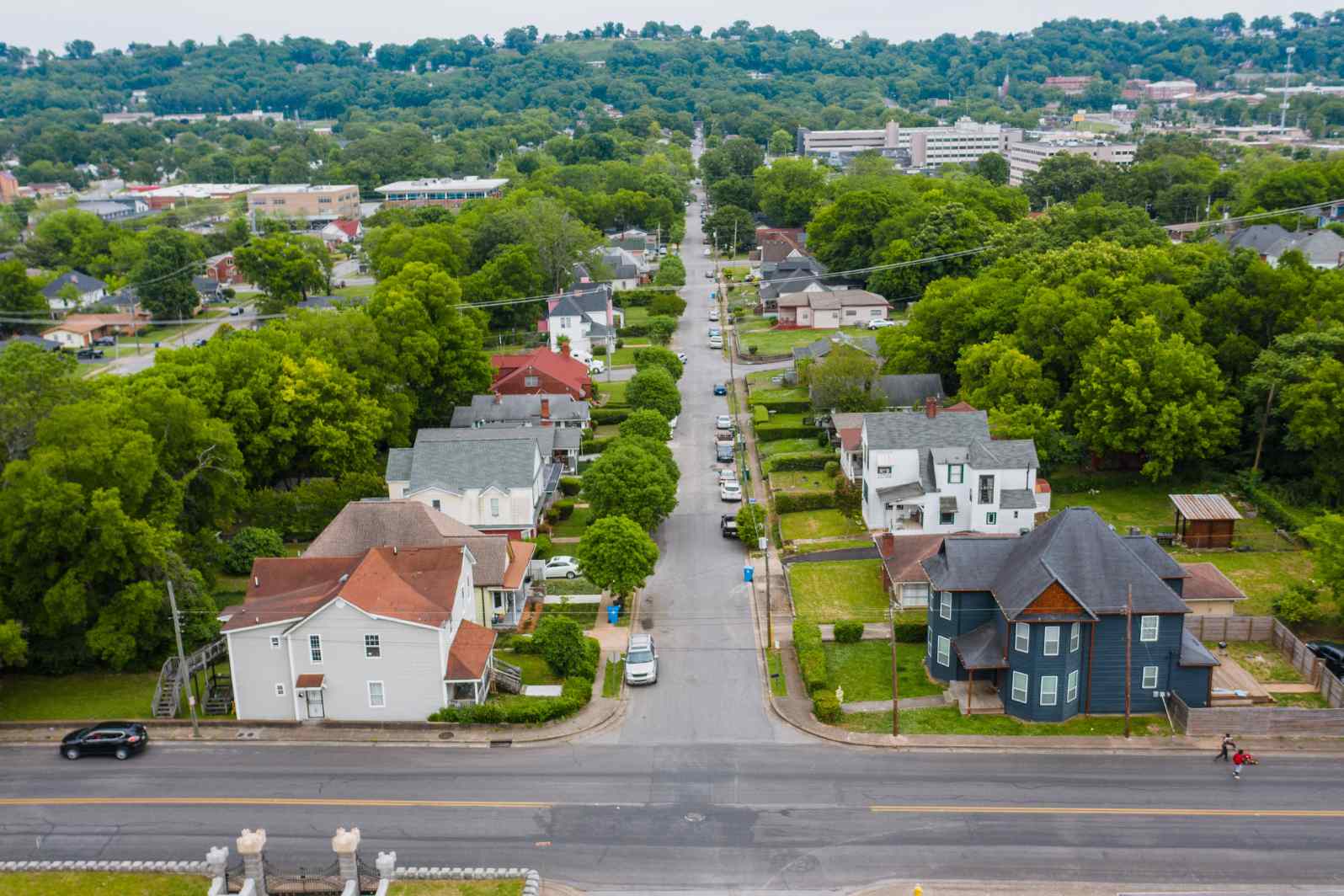
There has been no shortage of discussions about gentrification in real estate and urban planning. It transforms neighborhoods by attracting new development, businesses and residents. Though it can result in better infrastructure and higher property values, it also drives up rents and displaces longtime residents. To 2025 and beyond, gentrification will also be reshaping neighborhoods in new ways that are shaped by technology, housing policies and evolving lifestyles. Here are what’s shaping neighbourhood gentrification this year.
1. Tech-Driven Development
Technology is transforming how cities grow. Young professionals and startups are attracted by “smart homes, coworking spaces” and digital infrastructure. Neighborhoods that were once left alone are now hot spots due to remote work hubs and tech-friendly living. Developers are targeting neighbourhoods that can accommodate high-speed access to the internet, smart mobility and eco-friendly construction.
2. Affordable Housing Push
Gentrification Working out a way for governments and city councils to balance gentrification with affordability. More cities add rent caps, affordable housing mandates and inclusionary zoning In 2025 The goal of these efforts is to make sure that working-class families aren’t displaced when new development comes. It’s the success of these policies that will determine just how fair gentrification gets.
3. Cultural Preservation Efforts
In the past, gentrification typically eradicated the culture of older neighborhoods. Now, there is a stronger push against erasing history that’s local, artistic and traditional. Cities are subsidizing small businesses, heritage shops and cultural centers in an effort to preserve neighborhood character. Developers are also branding projects around the local culture, to lure old and new residents.
4. Green and Sustainable Living
Eco-friendly development is reshaping gentrification. New projects in 2025 are solar-powered homes, green rooftops and car-free streets. These eco-friendly features are appealing to buyers and renters who have the environment on their minds. Neighbourhoods with parks, bike lanes and community gardens are the face of a new kind of urban renewal.
5. Shifting Demographics
Millennials and Gen Z are the face of gentrification. Lots of people want to be in walkable communities near cafés, gyms and coworking spaces. In addition to healthier, pensioned-off folk moving into rejuvenated towns and cities with better health care and social amenities. This mix of generations is producing varied, but generally competitive housing markets.
6. Retail Transformation
Retail is changing with gentrification. Rather than giant malls, there are boutique stores, artisanal thatch shops and mixed-use spaces coming up in neighbourhoods. Its empty storefronts are being filled by restaurants, microbreweries and creative studios. This commercial transformation raises property values and reshapes local culture.
7. Rise of Hybrid Workspaces
The pandemic made hybrid work normal, and this trend is still shaping gentrification in 2025. Neighbourhoods close to coworking hubs or flexible office spaces are witnessing rising demand. Startups and freelancers prefer living near such spaces, bringing new life to older areas
8. Transport and Connectivity
Gentrification still requires easy access to elsewhere. Hotspots are emerging in the proximity of metro lines, airports or major highways. Cities are investing in cycle lanes and pedestrian zones, as well as electric vehicle infrastructure, making these neighbourhoods more appealing.
9. Increased Community Resistance
Not everyone welcomes gentrification. In 2025, additional towns and areas are banding together to preserve affordable housing and refuse large-scale redevelopment. There are others working with social activists and NGOs to effect policy that would make gentrification fairer. More and more people are considering community-based housing and cooperatives.
10. Global Influence on Local Markets
Global investors such as Blackstone, Warburg Pincus and others are moving into smaller pockets in cities like Delhi, Bengaluru, Mumbai and Hyderabad. By attracting foreign investment, development is accelerating but so too are property prices. The challenge is how to reconcile international capital with domestic interest.
FAQs:
Q1. What is gentrification?
Gentrification is what happens when a neighborhood undergoes new development and investment, typically leading property values to rise — which can raise rents, and while the change causes some displacement of longtime residents.
Q2. Is gentrification always bad?
Not always. It is capable of enhancing infrastructure, generating jobs and delivering new facilities. But if it isn’t managed well, it can hurt longtime residents by making the cost of living too high.
Q3. Who suffers most from gentrification?
It can both help and hurt. New residents mean more customers, but higher rents can put old shops out of business. Now cities are looking to bolster small businesses during redevelopment.
Q4. What are some Indian cities that experience gentrification by 2025?
Cities such as Bengaluru, Mumbai, Delhi, and Pune, have been rapidly gentrified by IT expansion and metro projects funded by global capital.
Q5. Can gentrification be made fair?
Yes. Strong housing policies, cultural preservation and community input can ensure that gentrification improves neighbourhoods without displacing people.
