
When we purchase a car, safety is certainly top of mind. A vehicle with a 5-star safety rating puts driver and passengers at ease. But what does it mean for you to have a 5-star car in 2025? Safety standards are more stringent, and new technologies now factor heavily into how ratings are determined. So let’s delve deeper into what a car entails to get that perfect 5-star badge at its back today.
The Role of Crash Tests
Crash tests are still the core of safety ratings. Bodies such as the NCAP (New Car Assessment Program) crash test cars in various scenarios. These include:
- Frontal crash test – Evaluates the car’s ability to protect its occupants during a head-on collision
- Side-impact test – Evaluates safety in a T-bone crash
- Rollover – Determine how prone the car is to flipping after a hard turn or flip.
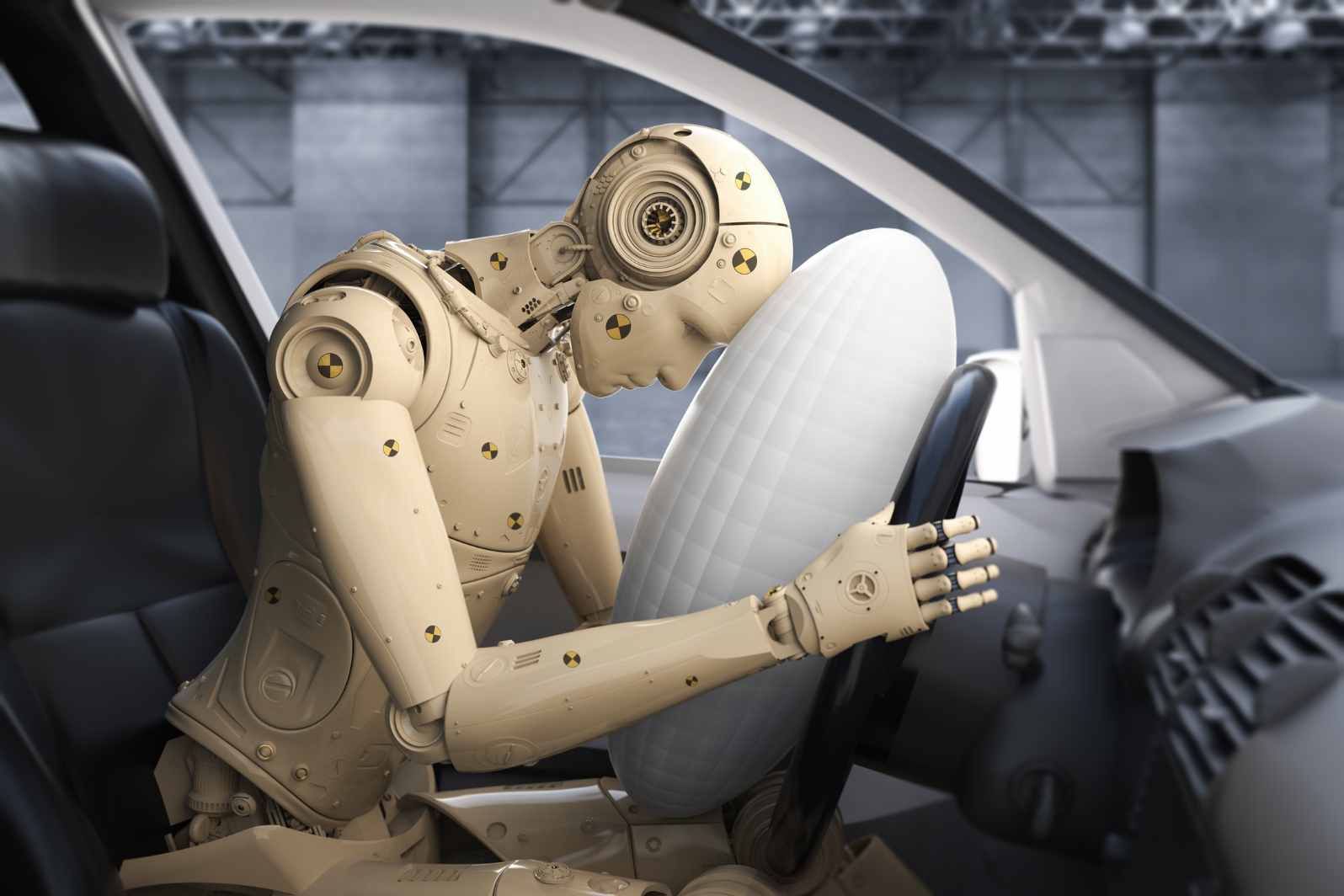
These tests, conducted with high-tech dummies equipped with sensors to measure injuries more precisely, are adopted in 2025. Ratings now include child protection and pedestrian safety, not just adult.
Importance of ADAS Features
These days, strong body structure just isn’t enough, even for a 5-star car. And it also needs to have current driver assistance systems. Find below some of the most important ADAS features:
- Autonomous emergency brake (AEB) – Applies the brakes independently of the driver, to avoid a collision
- Lane Keep Assist – Prevents the car from moving into another lane
- Blind Spot Detection – Notification if another vehicle is in your blind spot
- Adaptive Cruise Control – Automatically slows your speed within traffic captured by the system
Such functions help to eliminate human mistakes, which are the primary reason of road accidents.
Strong Body and Design
Modern-day cars come equipped with high-strength steel, airbags and crumple zones. For a 5-star rating, all other than driver airbags must include side and curtain airbags. The car’s front is also designed by manufacturers to reduce the risk of injury to pedestrians in the event of collision.
Child Safety Standards
Today, car safety ratings include particular emphasis on child protection. For a 5-star score, isofix anchor points for child seats, seatbelt reminders in all seats and better rear crash protection are needed.
Global and Indian Standards
In India, Bharat NCAP brought in strict crash test rules on lines of the global NCAP. Many auto makers are bolstering their updated models with stronger structures and ADAS capabilities to score high. Starting from 2025.
The Importance of Safety Ratings to Buyers
A 5-star car might be more expensive, but it can save lives. Higher-rated vehicles also are often rewarded with stronger resale values and lower insurance premiums. And, most important, they provide confidence on highways and city streets.
FAQs:
Q1. What does a 5-star safety rating mean?
A 5-star rating is the best score and indicates that the car provides good protection for adults, children and pedestrians in a crash.
Q2. Are all cars in India sold safety rated?
No, only vehicles tested under Bharat NCAP or Global NCAP have official ratings.
Q3. Are ADAS functionalities compulsory for five-star cars?
Yes, the majority of them now require those key ADAS functions like AEB and lane assist for that top score in 2025.
Q4. Is a 4-star car unsafe?
Not always. A 4-star vehicle is still safe, however it may not include some of the more advanced safety features or child-related components.
Q5. Should I always buy a 5-star car?
If budget allows, yes. It keeps your family’s safety and security at the top of its priority list.
