
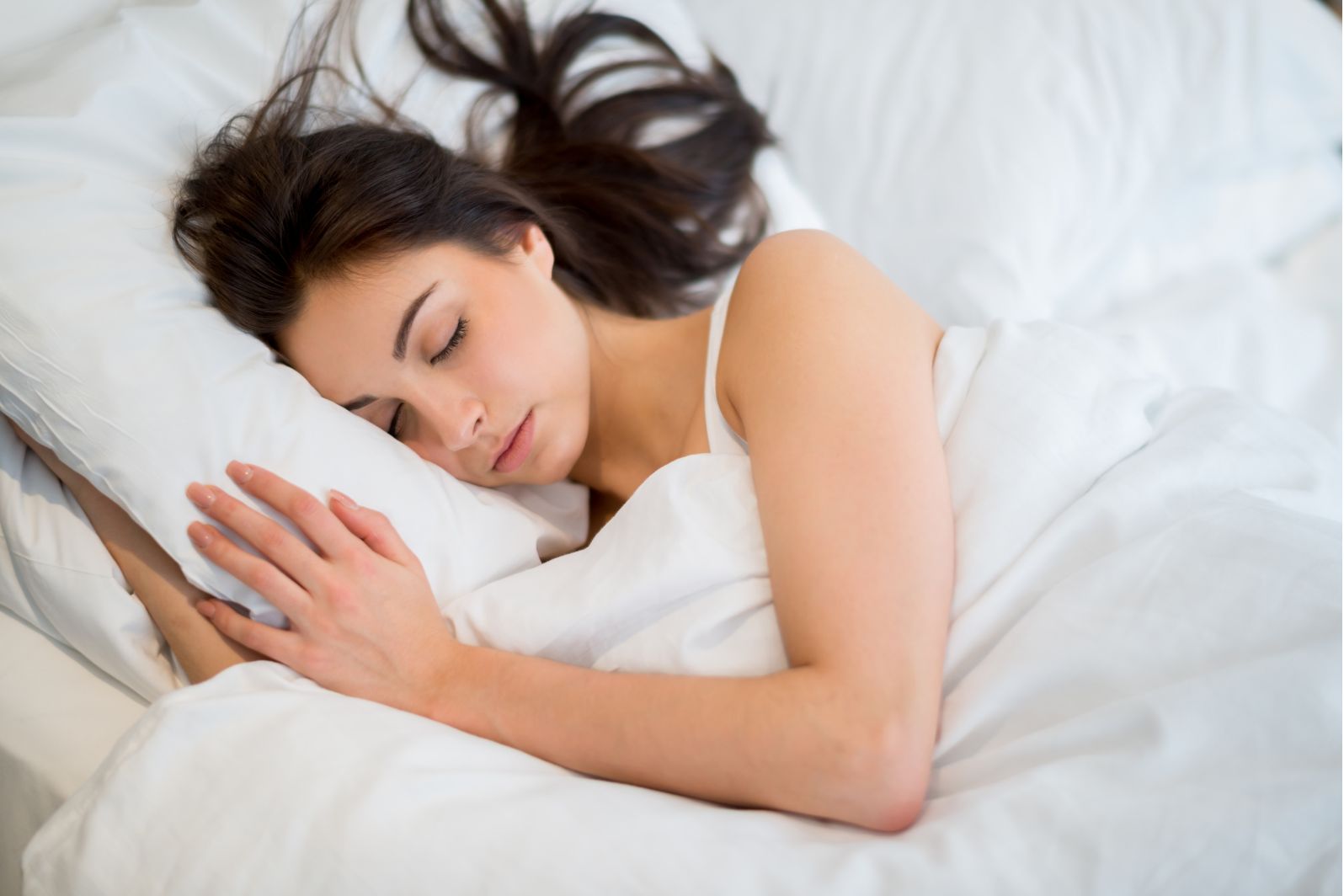
We track our steps, calories, and heart rate — but what about our circadian rhythm? In 2025, one of the fastest-growing health trends is sleep syncing — aligning your sleep patterns with your body’s natural clock to improve energy, focus, mood, and overall well-being.
Let’s face it: burnout is real. And no supplement or coffee can replace a truly restful night’s sleep. That’s where sleep syncing comes in — a holistic, science-backed way to sleep better and live better.
What Is Sleep Syncing?
Sleep syncing is the practice of adjusting your sleep and wake times to match your body’s internal circadian rhythm — a 24-hour cycle that regulates your sleep, digestion, hormone release, and more.
When your schedule aligns with this natural rhythm, your body functions optimally. When it’s out of sync (thanks to late-night scrolling, irregular shifts, or blue light), you may experience fatigue, brain fog, weight gain, and even mood disorders.
Why Is Sleep Syncing Trending in 2025?
- Increased awareness of sleep’s role in productivity
- Better sleep tech (smart alarms, Oura rings, Apple Watch sleep scores)
- Work-from-home flexibility, allowing customized routines
- Burnout culture backlash, especially among Gen Z and millennials
Signs You May Be Out of Sync
- Trouble falling asleep or waking up
- Feeling tired despite 7–8 hours of sleep
- Midday energy crashes
- Mood swings or irritability
- Cravings for sugar or caffeine
- Poor focus or memory lapses
How to Start Sleep Syncing
1. Discover Your Chronotype
Are you a morning lark, night owl, or somewhere in between? Apps and quizzes can help determine your natural preference so you can tailor your routine accordingly.
2. Stick to a Consistent Sleep Schedule
Wake up and sleep at the same time every day — even on weekends. This resets your internal clock.
3. Get Morning Sunlight
Expose yourself to natural light within 30–60 minutes of waking. It helps suppress melatonin and boost serotonin.
4. Avoid Screens Before Bed
Blue light tricks your brain into staying alert. Use blue light filters or shut off devices 60 minutes before sleep.
5. Dim Lights After Sunset
Your body naturally starts producing melatonin in darkness. Use warm lights or smart bulbs at night.
6. Eat and Exercise at the Right Times
Late-night meals or intense evening workouts can delay your body’s wind-down process.
Tools and Tech to Help
- Oura Ring / WHOOP / Fitbit for sleep tracking
- SleepScore and Sleep Cycle apps for insights
- Smart lights that change color temperature automatically
- Melatonin supplements (short-term use only, and doctor-recommended)
Benefits of Sleep Syncing
- More energy and less grogginess
- Better focus and productivity during the day
- Healthier metabolism and weight control
- Improved mood and emotional balance
- Deeper, more restorative sleep
Final Thoughts: Don’t Chase Sleep — Sync It
In a world obsessed with hustle, rest is the ultimate rebellion. Sleep syncing isn’t just about getting more sleep — it’s about getting the right kind of sleep, at the right time, for your body.
When your sleep is in sync, everything else falls into place — from your mood to your metabolism.
