
When it comes to smart wearables more people probably think of fitness trackers. These gadgets help us count steps, track calories burned and measure our heart rates. But the wearables of today are capable of far more than just keeping track of workouts. Technology is leading them to new destinations, in health, fashion, safety and even fun. Time for us to take a look at where the smart wearables are reaching, beyond fitness trackers.
1. Smartwatches as Health Companions
Smartwatches have gone from being glorified pedometers to all-in-one health devices. Many of them now monitor blood oxygen levels, ECG, sleep quality and even stress levels. Some watches can also inform you if your heart rate exceeds or dips beneath a certain level. These functions aren’t just for folks who share a love of fitness, however, but are also for those simply looking to take care of their health in general.
2. Wearables for Safety
Wearable safety gear is in vogue, particularly for kids and the elderly. Smart bands that have GPS capabilities allow families to monitor their members in real time. Some also have an SOS button to send out alerts to emergency contacts. And that provides peace of mind for parents and caregivers.
3. Fashion Meets Technology
Wearables are becoming more than mere function. Smart rings, smart jewellery and even clothing with sensors are blending style and technology. They look cool and offer functionality such as contactless payments, notifications and health tracking.
4. Smart Glasses
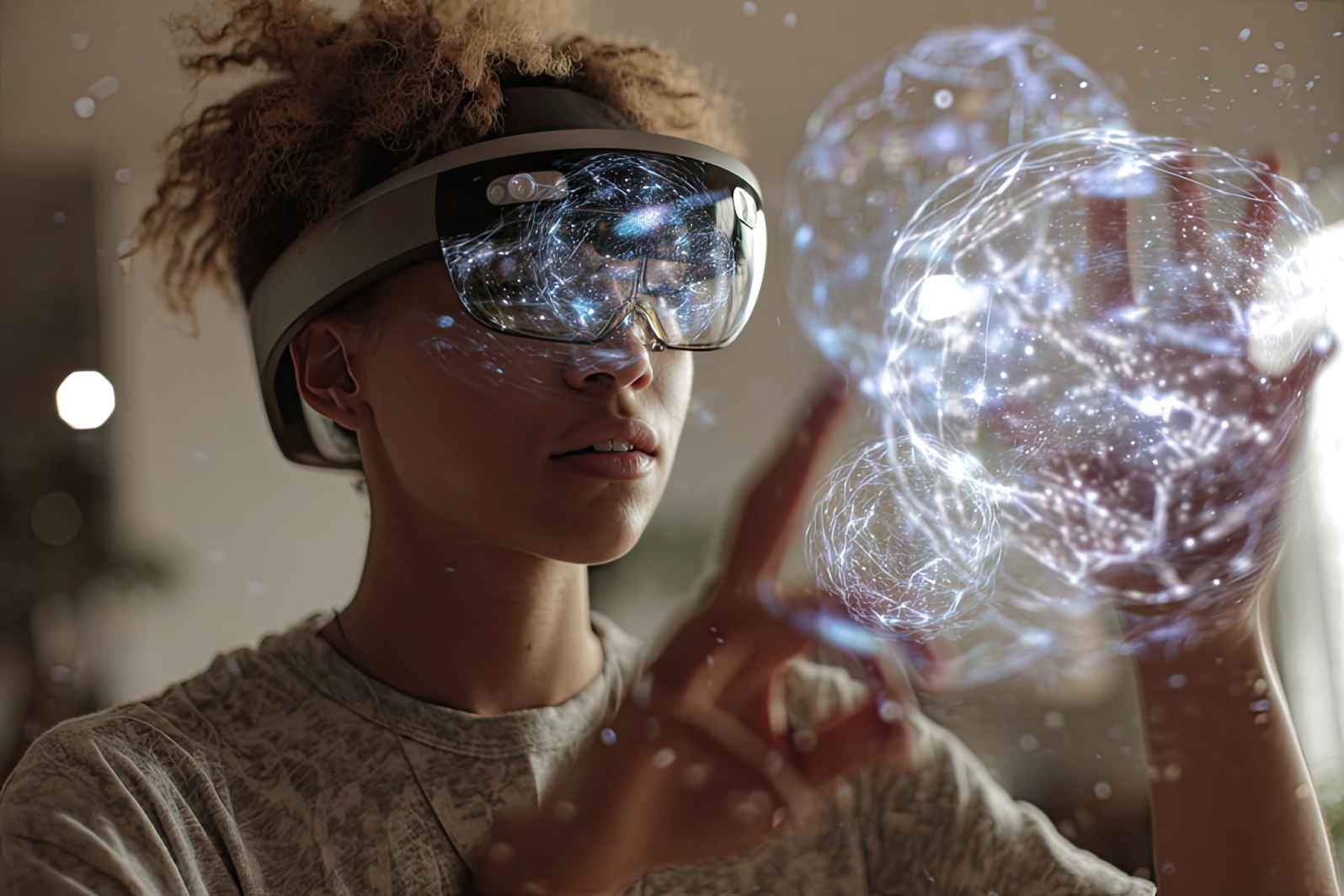
smart glasses are another interesting progression in wearables. They let users look at navigation maps while also reading messages or even attending a virtual meeting without having to touch a phone. Some higher end models even have AR (Augmented Reality) functionality integrated, which overlays digital visuals on top of the physical world.
5. Medical Wearables
And now, doctors are starting to use wearables to monitor patients’ health outside hospitals. Some devices can monitor blood sugar, heart and even breathing. Regular monitoring contributes to early detection and better care. These devices can be life-changing for those with chronic health issues.
6. Wearables for Work
Workplaces are also adopting wearables. Smart helmets can alert workers on construction sites if they’re in danger. AR glasses can aid technicians repairing machines by displaying step-by-step instructions. They make your operation safer and more efficient.
7. Entertainment and Gaming
The wearables category isn’t just about health and work. In gaming, virtual reality headsets and motion-sensing wearables are making games more immersive. Movements, sounds, and in some advanced gaming wearables: touch. It is shifting the way people play games and experience entertainment.
The Future of Smart Wearables
In the next several years, wearables are going to get a lot smarter. With AI, those devices will monitor data, yes, but also offer personalized advice. Picture a smartwatch that not only tells time but also predicts how you’re feeling, advises when to take a break and guides you on what to eat.
FAQs:
Q1: Can I only use smart wearables for health benefits?
No, today smart wearables span health and wellness, safety, fashion and work and play.
Q2: Will smart wearables replace doctors?
No, they cannot replace doctors. But they can help track health and may provide doctors with useful information.”
Q3: Is it safe to use smart wearables every day?
Yes, most wearables are safe. They have low-power signals and are suitable for daily use.
Q4: Can smart wearables work on their own without smartphones?
Some can operate on their own, but most will still rely on smartphones for the full suite of features.
Q5: Are smart wearables expensive?
Prices vary. Basic ones are affordable, while higher-end ones with medical or augmented-reality capabilities can be expensive.
