
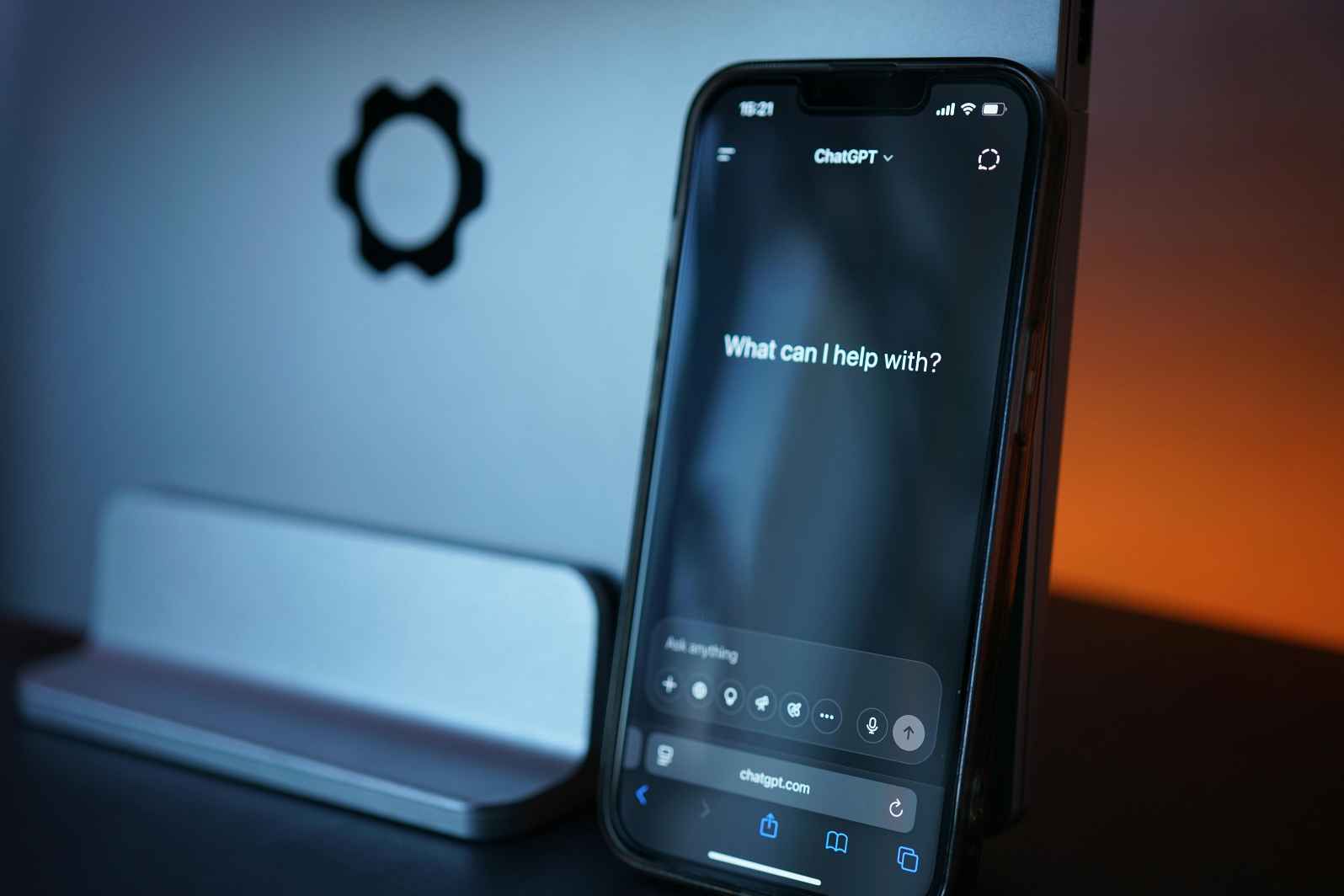
AI is transforming the way we live, work and relate to technology. Today, one of the leading applications of AI is personal assistants. From taking reminders to solving complex problems, artificial intelligence based assistants are getting better each year. It’s 2025, and they are not just “voice bots” anymore but powerful digital companions who can manage jobs for you, raise productivity – even read your feelings.
Smarter Conversations
The most noticeable advance in AI personal assistants is how much better they sound when talking. Previously, assistants sounded robotic and could only offer limited responses. Today they use sophisticated NLP to see the context, tone and even slang. And they can maintain long conversations without getting lost in order to behave more like humans.
Personalisation at a New Level
By 2025, AI assistants not only respond but predict. They learn from daily routines, such as when you typically go to the gym, what kinds of news stories you are interested in and how far in advance you book a trip. From this, they provide proactive recommendations. For instance, if it sees rain in the forecast, your assistant could remind you to take an umbrella before you leave your house.
Multi-Device and Multi-Language Support
Today’s assistants should integrate seamlessly between phones and laptops, smart TVs and even cars. They also helped additional local languages. In India, for example, they are adding improved Hindi, Tamil and Bengali support so that more people can use them naturally.
Emotional Intelligence
A new trend would be AI with sentiment awareness in 2025. These aides can detect voice tone or word choice to intuit if you’re stressed or tired. According to that, they may recommend soft music, brief rest periods or perhaps a guided meditation.
Stronger Security and Privacy
Privacy is a big concern, because AI assistants have access to personal data. The newest versions have added features like enhanced encryption, local data processing (so your information remains on your own device) and improved controls. Now users can select what data to share and what to keep private.
Integration with Daily Life
From summoning cabs to ordering groceries, AI assistants are tightly integrated with everyday apps and services. They schedule meetings in offices, draft briefs and even write emails. For students, they translate lessons into plain words and assist with research.
What’s Next?
And in the not-too-distant future, AI assistants may shift from voice and text to more visual interactions. Imagine an assistant that displays a 3D model of a place you want to visit, or becomes your personal trainer overlaying fitness plans on the floor with animations. When AR (Augmented Reality) and AI join hands, assistants would become more interactive.
FAQs:
Q1. What is an AI-assisted personal assistant?
An AI-driven personal assistant is a software-based service or an app that leverages artificial intelligence to assist users with a variety of tasks, including answering questions and helping with routine activities.
Q2. How do AI assistants look different in 2025?
In 2025, they are smarter and more personal, support multiple devices and even understand emotions compared with those earlier incarnations that were basic voice-based bots.
Q3. Is it safe to use AI personal assistants?
Yes. The new models are designed with powerful privacy features, local data storage and user-controlled permissions.
Q4. Will AI assistants be able to operate in Indian languages?
Yes. Many assistants now understand hindi or regional languages and, thus, can cater to a larger audience in India.
Q5. Will AI assistants replace humans?
No. They are made to assist and augment human labor, not replace it. They do routine tasks, leaving humans to focus on creative and sophisticated jobs.
