
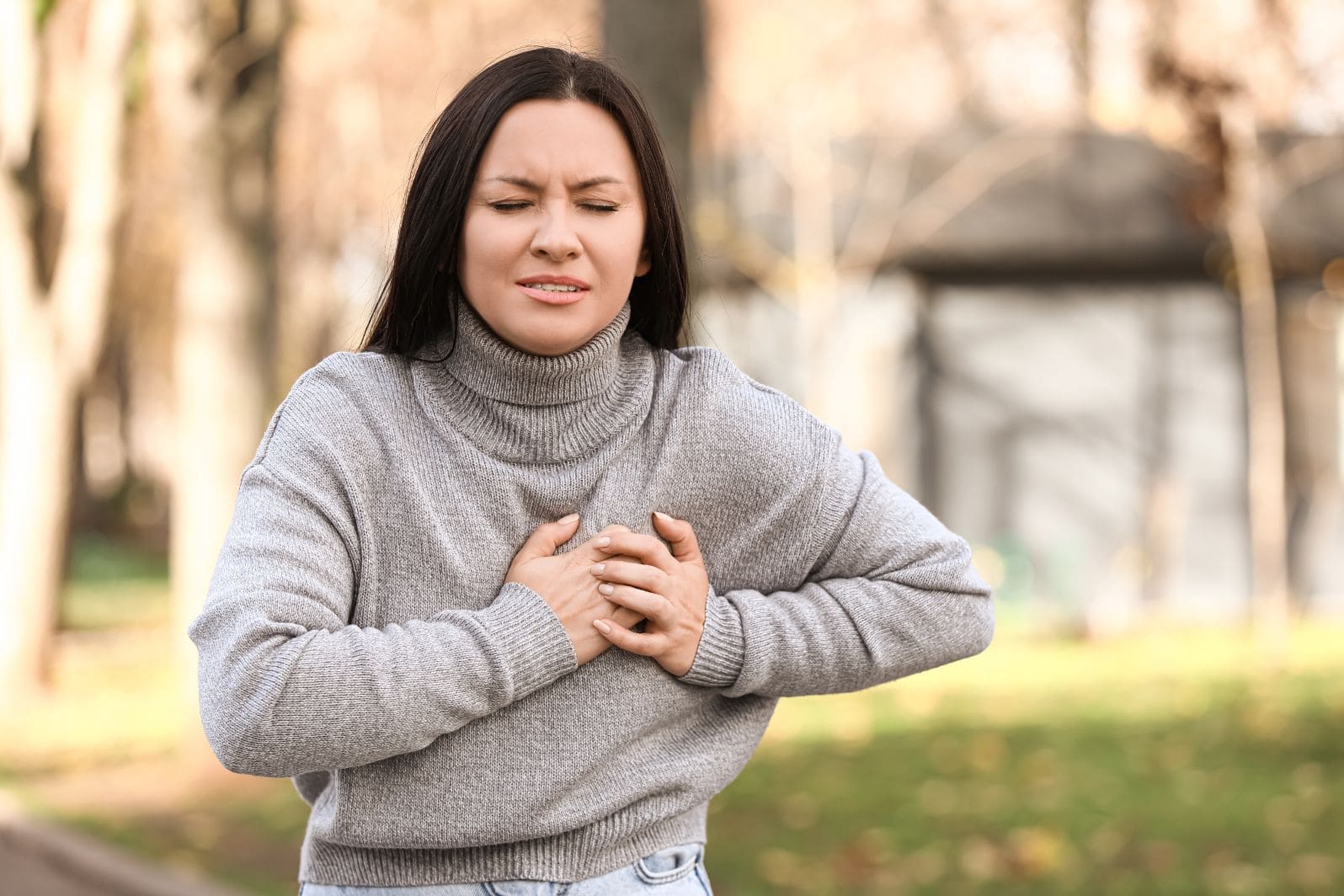
Many people use the terms interchangeably, but heart attack or cardiac arrest represents two entirely different medical emergencies. Understanding this distinction could save your life or someone else’s during a critical moment. Both conditions affect your heart, yet they occur through completely different mechanisms and require different immediate responses. The confusion between these conditions often delays proper treatment, which reduces survival chances significantly.
When discussing heart attack vs cardiac arrest, you need to know that timing and response matter enormously. This guide explains how these conditions differ, what symptoms to watch for, and which emergency actions work for each situation. Recognising the signs early helps you respond correctly when every second counts.
Understanding the Basic Difference
A heart attack happens when blood flow to part of your heart muscle gets blocked. This blockage typically occurs because fatty deposits build up inside your coronary arteries over time. When a section of heart muscle doesn’t receive oxygen-rich blood, it begins to die gradually. Think of this as a plumbing problem where a pipe gets clogged.
Cardiac arrest occurs when your heart’s electrical system malfunctions suddenly and stops beating effectively. Your heart may quiver uselessly or stop completely instead of pumping blood. This represents an electrical problem rather than a circulation issue. Without immediate treatment, brain damage begins within minutes because oxygen stops reaching vital organs.
Recognising Heart Attack Warning Signs
Heart attack symptoms often develop gradually over minutes or even hours before becoming severe. You might experience chest discomfort that feels like pressure, squeezing, or fullness in the centre of your chest. This sensation may come and go rather than staying constant.
Additional warning signs include pain spreading to your shoulders, arms, back, neck, jaw, or stomach area. Many people also feel shortness of breath, break out in cold sweats, or experience nausea and light-headedness. Women sometimes have different symptoms like unusual fatigue, sleep disturbances, or indigestion-like discomfort. These signs mean your heart muscle desperately needs oxygen, and you should seek emergency care immediately.
Identifying Cardiac Arrest Symptoms
Cardiac arrest strikes suddenly with little or no warning in most cases. The person collapses unexpectedly and loses consciousness within seconds. They stop breathing normally or stop breathing altogether. When you check for a pulse, you won’t find one because the heart has stopped pumping blood effectively.
Sometimes brief symptoms appear right before cardiac arrest occurs. These might include sudden dizziness, rapid heartbeat, or chest discomfort lasting just moments. However, many victims show absolutely no warning signs before collapsing. This makes cardiac arrest particularly dangerous because bystanders must recognise the emergency and act within minutes.
Comparing Survival Rates and Severity
When people ask which is more dangerous heart attack or cardiac arrest, the answer depends on immediate response time. Cardiac arrest proves more immediately life-threatening because death occurs within minutes without intervention. Only about 10 percent of cardiac arrest victims survive when it happens outside hospitals.
Heart attacks allow more time for treatment, though they remain serious medical emergencies requiring urgent care. Many heart attack patients survive when they receive treatment within the first hour of symptoms starting. maintains advanced cardiac care units equipped to the Best Hospital in India which handles both emergencies with rapid response protocols. Understanding which is worse cardiac arrest or heart attack helps you appreciate why immediate action matters so critically for both conditions.
What Actions to Take Immediately
For heart attack symptoms, call emergency services straight away even if you feel uncertain about the diagnosis. Chew an aspirin tablet if you’re not allergic, as this helps prevent further blood clotting. Sit down and stay calm whilst waiting for medical help to arrive.
Cardiac arrest demands different immediate actions because the person needs CPR within the first few minutes. Call emergency services, then begin chest compressions immediately if the person isn’t breathing and has no pulse. Push hard and fast in the centre of their chest at about 100 compressions per minute. Use an automated external defibrillator if one is available nearby, as shocking the heart may restore normal rhythm.
How Prevention Strategies Differ
Knowing heart attack and sudden cardiac arrest how are they different helps you take appropriate preventive measures for each condition. Heart attack prevention focuses on keeping your coronary arteries healthy through lifestyle choices. Control your blood pressure, maintain healthy cholesterol levels, exercise regularly, and avoid smoking.
Cardiac arrest prevention requires identifying and treating underlying heart rhythm disorders that might trigger sudden electrical failure. Regular health screenings help detect conditions like arrhythmias, cardiomyopathy, or heart valve problems.
Some high-risk individuals benefit from implantable cardioverter-defibrillators that automatically shock the heart back into rhythm. Understanding heart attack cardiac arrest and how are they different empowers you to discuss specific risk factors with your doctor and create personalized prevention plans based on your individual heart health profile.
